
When someone decides to begin therapy, one of the first questions that comes up is, “Who should I see?” You might notice different letters after a therapist’s name, and two of the most common are LCSW (Licensed Clinical Social Worker) and LCMHC (Licensed Clinical Mental Health Counselor). While the titles may sound technical, the heart of both professions is the same: helping people feel better, heal, and move forward.
Even though LCSWs and LCMHCs come from slightly different training backgrounds, both bring meaningful strengths to the therapy room. Understanding those strengths can help you choose the therapist who feels like the right fit for you.
How LCSWs Are Trained to Support You
LCSWs begin with a master’s degree in social work, which gives them a broadcunderstanding of how a person’s life, relationships, and environment all shape emotional health. They’re trained to look at the “big picture” — not just what you’re feeling internally, but also what’s happening around you. That might include family stress, work pressures, health concerns, or major life changes.
Because of this, LCSWs are especially skilled at helping people who feel overwhelmed by multiple layers of stress. They’re comfortable sitting with complex emotions, but they’re also practical and down-to-earth. Many clients describe LCSWs as steady, approachable, and easy to talk to — the kind of therapist who helps you feel grounded when life feels tangled or heavy.
How LCMHCs Are Trained to Support You
LCMHCs earn a master’s degree in counseling, which focuses deeply on the process of personal growth and emotional healing. Their training centers on understanding people, building strong therapeutic relationships, and using proven counseling approaches to help clients make meaningful changes.
LCMHCs are especially skilled at helping people understand patterns in their thoughts and emotions, develop healthier coping skills, and build confidence in themselves. Many clients describe LCMHCs as encouraging, insightful, and skilled at helping them create new tools for everyday life.
What You Can Expect Emotionally from Each Approach
While LCSWs and LCMHCs may come from slightly different training backgrounds, both are grounded in compassion, connection, and the belief that people can grow and heal. No matter which type of therapist you choose, you can expect someone who listens closely, cares deeply, and wants to understand your experience.
An LCSW might help you explore how your past experiences, relationships, and environment are affecting you today. But they’re not just “big-picture thinkers” — they’re also warm, personable clinicians who know how to make clients feel safe and supported. Many people find that LCSWs bring a calming presence and a steady, reassuring way of helping them sort through complicated situations.
An LCMHC might help you focus more on what’s happening inside — your thoughts, feelings, and the patterns you want to change. They’re often described as encouraging and emotionally attuned, offering guidance that helps clients feel understood and empowered. Like LCSWs, they bring genuine care and presence into the room.
Both professions blend heart and skill. Both offer warmth, clarity, and support. And both are fully capable of helping you feel more grounded, more hopeful, and more like yourself again.
The Shared Heart of Both Professions
No matter which type of therapist you choose, LCSWs and LCMHCs share a commitment to helping people heal. They both work with anxiety, depression, trauma, grief, relationship struggles, and life transitions. They both believe in your ability to grow. And they both want you to feel supported, understood, and empowered throughout the process.
How CERE Counseling and Wellness Brings These Strengths Together
At CERE Counseling and Wellness, we believe clients benefit most when they have access to a variety of perspectives and strengths. That’s why our team consists of both an LCSW and an LCMHC, in addition to the LCMHC-A’s and interns. As the LCSW on the CERE team, I bring a thoughtful, whole-life perspective that helps clients feel grounded and supported through complex challenges. What drew me to social work and ultimately obtaining my LCSW is the same thing that drives me now, the desire to approach each client’s situation from a holistic perspective. This allows me to consider both internal and external pressures that cause challenges and limits to our client’s growth and sense of peace. Our LCMHC, who is the founder of CERE, brings a warm, growth-focused approach that helps clients build confidence and create meaningful change. As a team at CERE we have created a balanced, collaborative environment in which we learn from one another and share therapy tools and approaches to best meet your needs. It is our hope that at CERE, you can find the support that feels right for you
— and where your emotional well-being is always at the center.
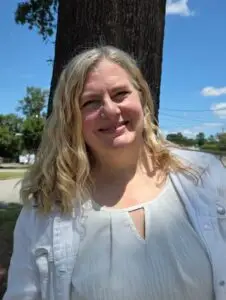
Faith Allman – MSW, LCSW